

Selling your home is one of the most significant and emotional decisions you will ever make. Why? Moving usually is accompanied by a lot of life changes beyond switching out your keys. Whether you are preparing for retirement, navigating a family change, or stepping into a long-awaited new chapter, the process carries weight that goes well beyond the transaction itself.
A thoughtful real estate marketing plan is what turns that weight into momentum. It gives you direction, clarity, and the confidence that your home is being presented to the right people, in the right places, at the right time.
But, the truth is that not all marketing plans are created equal. Some agents take what’s called a passive approach: relying on a few standard steps and waiting for interest to appear on its own. Others take a more active approach, combining strategic preparation with modern tools to create demand and connect your home with qualified buyers.
Understanding the difference, and knowing what to look for, can make all the difference in how your selling experience unfolds.
Your Real Estate Marketing Plan: What Is It And How Does It Help?
A real estate marketing plan is a detailed strategy that outlines exactly how your property will be promoted, who it will be presented to, and through which channels.
Before jumping into active and passive approaches, we need to understand the backdrop for these approaches: real estate marketing plans. A real estate marketing plan includes identifying the target audience (who might be an interested buyer), marketing channels, timeline, budget considerations, and measurable goals.
The purpose of this plan is to ensure that your home reaches the right buyers through intentional, coordinated effort rather than chance. Think of it as a checklist for success: a document that gathers the answers to important questions about your home, your goals, and your ideal buyer before any marketing activity begins. It aligns every effort, from photography to online advertising, around a unified strategy tailored to your property and your goals.
Without a real estate marketing plan, you are relying on educated guesses. With one, every decision has purpose behind it.

Passive vs. Active Marketing for Your Home: What Is the Difference?
So you know what a real estate marketing plan is. But how does a Realtor® apply it? When it comes to selling, agents generally fall into one of two categories: those who use a passive marketing approach and those who take an active one. Both involve a plan to market your home, but the level of engagement, the tools involved, and the results they produce can look very different.
A passive marketing approach relies primarily on traditional, baseline methods such as listing on the Multiple Listing Service (MLS), placing a yard sign, publishing a newspaper listing, and hosting a basic open house. These steps are necessary but involve a “wait-and-see” mindset. The agent puts the listing out and waits for buyers to find it.
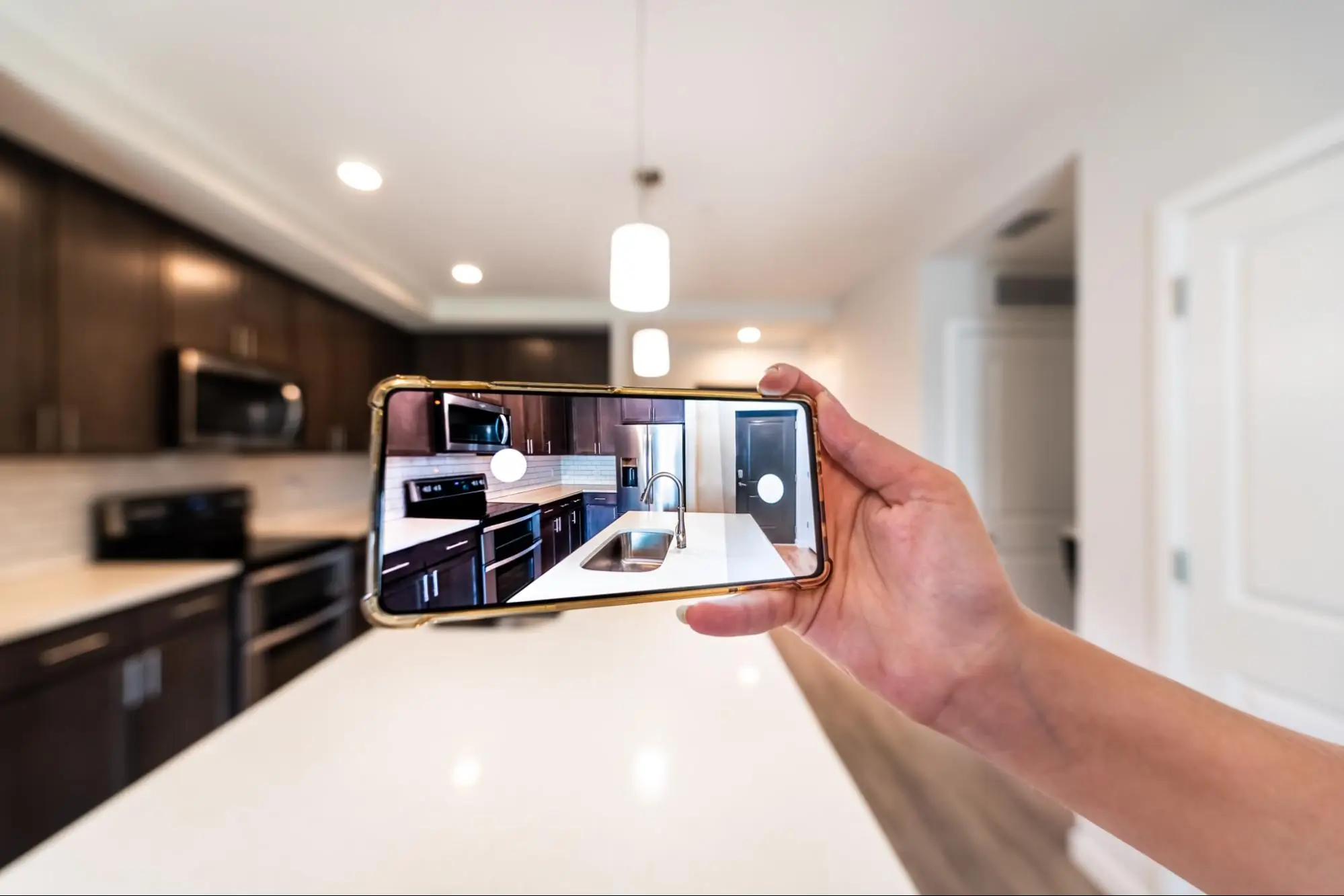
An active marketing approach involves a higher degree of engagement and intentionality. It combines traditional methods with modern tools such as professional photography, search engine optimization (SEO), targeted digital advertising, database marketing, virtual tours, and strategic social media campaigns. The agent does not simply wait for buyers; they go find them.
A passive plan is not inherently wrong. For sellers without urgency who prefer minimal involvement, it can be adequate. But in a competitive market, especially in communities like Grove City, Mercer County, Cranberry Township, and the greater Pittsburgh area where inventory moves quickly, passive marketing often leaves opportunity on the table.
An active real estate marketing plan acknowledges a simple truth: the right buyer for your home may not stumble across your listing on their own. They need to be reached where they already spend their time, through the channels they already trust, with a presentation that helps them recognize what makes your home worth pursuing.
Passive vs. Active Marketing at a Glance
| Differentiator | Passive Marketing | Active Marketing |
|---|---|---|
| Mindset | Wait for buyers to find you | Go find the right buyers |
| Channels used | MLS, yard sign, newspaper, basic open house | MLS + SEO, social ads, email, virtual tours, database marketing, professional photography |
| Engagement level | Low: list it and leave it | High: ongoing strategy, targeting, and adjustment |
| Buyer reach | Limited to whoever happens to search | Targeted to specific demographics and behaviors |
| Performance tracking | Minimal or anecdotal | Data-driven with measurable results |
| Best suited for | Sellers with no urgency and minimal involvement preference | Sellers who want maximum exposure and faster results |
| Local advantage | Generic presence | Content and campaigns tailored to your specific market |

4 Reasons to Use Real Estate SEO to Connect Buyers with Your Listing
Now, you may have heard the term “SEO” before without fully understanding what it is, let alone what it means for your home sale. Perhaps this article was your first encounter with SEO! If so, let’s get that cleared up.
Here is the straightforward version: real estate SEO is about making sure your property shows up when the right people search online. The goal is to attract qualified buyers through organic (non-paid) search results by matching your content with what people are actively searching for.
Search engine optimization (SEO) for real estate is the practice of optimizing online content, including property listings, website pages, and blog posts, so they appear higher in search engine results.
Why You Should Use Real Estate SEO
This may sound technical and complicated, but is it actually worth it in real estate? According to the National Association of Realtors, the vast majority of buyers begin their home search online. They type phrases like “homes for sale in Grove City PA” or “best neighborhoods near Cranberry Township” into Google long before they ever contact an agent.
If your listing, your agent’s website, or the content surrounding your property does not appear in those results, you are invisible to a significant portion of potential buyers!
Real estate SEO is not about ‘gaming’ a system. It is about clarity. When a website clearly communicates who it serves, where it operates, and what makes its listings valuable, search engines reward that clarity by showing it to the right people.
4 Benefits of SEO for Real Estate
- Increased visibility. A strong SEO strategy helps your listing appear in front of buyers who are actively searching for homes like yours, without paying for every click.
- Long-term results. Unlike paid ads that disappear when the budget runs out, SEO builds momentum over time. Content that ranks well continues working for you week after week.
- Local reach. Real estate SEO is particularly powerful for agents serving specific communities. By creating content that addresses local market conditions, neighborhood features, and regional buyer needs, your property becomes part of a larger ecosystem of helpful information that buyers trust.
- Credibility. Buyers trust organic search results. When your agent’s website ranks well, it signals expertise, not just to buyers, but to other agents and industry professionals as well.
The important thing to remember is that real estate SEO is a long-term strategy. It does not produce overnight results. But with consistency and quality content tailored to your local market, it becomes one of the most cost-effective ways to generate qualified interest in your property.

How to Reach Buyers Where They Already Are with Real Estate Digital Marketing
Real estate SEO is one piece of a larger picture. The broader category is real estate digital marketing: the use of online channels and tools to promote properties, connect with buyers, and build visibility for your home sale.
Digital Marketing includes SEO, paid advertising (such as Google Ads and social media ads), email campaigns, social media marketing, virtual tours, professional photography distributed online, and website optimization. It is the digital counterpart to traditional methods like print ads and yard signs.
Real estate digital marketing is a broad term that encompasses the many online strategies used to promote properties and attract buyers.
Why Real Estate Digital Marketing Matters When Selling A Home
- Buyers are online. The numbers are clear: nearly all home buyers begin their search digitally. If your marketing strategy does not meet them there, you are competing with one hand tied behind your back.
- Targeting is precise. Unlike a newspaper ad that reaches everyone and yet no one in particular, real estate digital marketing allows your agent to identify specific buyer demographics, interests, and behaviors, and then present your property directly to those people. A family relocating to the Pittsburgh area for work sees different messaging than a retiree looking to downsize near Grove City.
- Visually optimize for any screen. Over 75% of home buyers search for properties on their phone or tablet. A strong digital marketing strategy ensures your listing looks compelling on every screen size, loads quickly, and provides the information buyers need without making them work for it.
- Results are measurable. One of the greatest advantages of digital marketing is that you can see what is working and what isn’t. Your agent can track which channels are driving the most interest, which listings are getting the most views, and where adjustments need to be made, all in real time.
- Consistency builds trust. When a buyer encounters your property on social media, sees it again in a targeted ad, and then finds your agent’s website through a Google search, that repeated presence builds familiarity and credibility. They begin to trust your listing before they ever schedule a showing.
See How Bonner Realty Markets Your Home Differently
At Bonner Realty, we do not believe in waiting for buyers to find you. We believe in going to find them. We are active Realtors®.
Partnering with a Realtor® with our real estate marketing plan for every listing combines the intentionality of an active marketing strategy with the tools of modern digital marketing, all grounded in deep local knowledge of Grove City, Cranberry Township, Mercer County, and the greater Pittsburgh area.
Here are some unique ways that Bonner Realty agents go above and beyond as active agents:
Professional photography.
Over 90% of buyers start their search online. The photos of your property are their first showing. We invest in professional-quality imagery that communicates not just what your home looks like, but how it feels to live there.
Virtual tours.
For out-of-area buyers, busy professionals, or anyone who wants to experience a property before committing to an in-person visit, virtual tours extend your reach far beyond your zip code.
Targeted social media campaigns.
We do not simply post your listing and hope for the best. We create targeted campaigns designed to reach specific buyer demographics in the channels where they already spend time.
Database marketing.
Our existing network of buyers, agents, and local professionals gives your listing an audience from day one. This is not something you can replicate with a yard sign.
Search engine optimization (SEO).
Our website and content strategy are built to help buyers in our region find relevant listings and resources. When someone searches for homes in your area, we work to make sure they find us, and your property, in those results.
Consistent communication.
A real estate marketing plan only works when you know what is happening. We keep you informed, share data on how your listing is performing, and adjust our strategy when the numbers tell us to.
Every sale also contributes to something beyond the transaction: a donation to a local non-profit organization that feeds children, as close to the city where your property is located as possible. Because selling a home should create good beyond your own four walls.

What Can You Do Today to Get an Active Real Estate Marketing Plan Rolling?
Before you really jump into an active real estate marketing plan with both feet, it can be helpful to get clear on your SMART goals. These allow you to evaluate essential questions such as: What does success look like for you? Is it speed, price, timing, or peace of mind? In fact, it is probably some combination. Using goals that are Specific, Measurable, Achievable, Relevant, and Time-bound can help you know when the process is going well and when you may need to adjust your focus.
After that, it can be helpful to consider the following areas in relation to your property alongside of a realtor:
Understand your buyer
Who is most likely to purchase your home? A young family? A retiree? Someone relocating for work? Knowing this shapes every marketing decision that follows.
Consider the various approaches
What channels will get your home seen by buyers? Does your situation call for actively creating demand or passively waiting for it?
Create a digital strategy
How can we best use real estate SEO? Targeted social ads? Professional photography? Virtual tours? How can we get your home in front of qualified buyers online?
Clear, timely communication
A good real estate marketing plan includes regular updates. We will update you on how your listing is performing, what is working, and what needs to be adjusted.
Consistency
Marketing works best over time. Trust the process. We will stay in communication with you and let the momentum build.
Let Bonner Realty Start Building Your Real Estate Marketing Plan Today
Don’t worry about wondering whether your home is being seen by the right people. If you are a homeowner in Grove City, Mercer County, Cranberry Township, or the greater Pittsburgh area, and you want a real estate marketing plan built with intention, strategy, and genuine care for your goals, we would love to start that conversation.
Connect with Bonner Realty today to discuss a customized active marketing plan for your property.
Get your free home value estimate to start understanding your property’s market position.
Browse our success stories to see how we have helped real sellers navigate real transitions with confidence and care.
Your next chapter is waiting. Let us help you step into it well.
Further Reading
Real Estate Marketing Plan FAQs
What is the difference between a passive and active real estate marketing plan?
A passive plan relies on basic listing steps and waits for buyer interest to appear. An active plan uses targeted digital strategies, professional media, and intentional outreach to create demand.
A passive approach includes necessary steps like listing on the MLS and placing a yard sign, but it stops there. An active real estate marketing plan layers on professional photography, virtual tours, real estate SEO, targeted social media advertising, database marketing, and consistent performance tracking. The difference is not just in the tools used, but in the mindset: active marketing acknowledges that the right buyer often needs to be found rather than waited for, especially in competitive local markets.
How does real estate SEO help sell my home?
Real estate SEO helps your listing appear in search results when qualified buyers are actively looking for homes in your area.
When buyers search for phrases like “homes for sale in Grove City PA” or “real estate agents near Cranberry Township,” SEO determines which websites and listings appear in those results. A strong SEO strategy means your property becomes visible to people who are already motivated and searching. Unlike paid ads, SEO builds over time and continues generating visibility without ongoing per-click costs. It is one of the most cost-effective ways to reach serious buyers.
Why does real estate digital marketing matter when selling a home?
Because nearly all buyers start their search online, and digital marketing ensures your home is visible, compelling, and easy to find across the channels they use most.
Real estate digital marketing includes everything from targeted social media ads to professional listing photography to email campaigns. It allows your agent to identify specific buyer demographics and present your property directly to them. It also provides measurable results, so your strategy can be adjusted based on real data rather than guesswork. In a market where most buyers search on their phones, a strong digital presence is not optional; it is foundational.
What should a good real estate marketing plan include?
A target audience, clear goals, a mix of digital and traditional marketing channels, professional media, a timeline, and a plan for tracking results.
A comprehensive real estate marketing plan starts by defining who your ideal buyer is and where they are likely to search. It then outlines specific strategies, including professional photography, SEO-optimized web presence, social media campaigns, email outreach, and traditional materials like quality print collateral. It should also include a timeline for each activity and a method for evaluating what is working. The best plans are tailored to your specific property and local market rather than copied from a template.
How do I know if my current agent's marketing plan is working?
Ask for data. If your agent cannot show you metrics on listing views, inquiry sources, and showing volume, your plan may lack the accountability it needs.
An active real estate marketing plan produces trackable results: website visits to your listing page, engagement on social media posts, inquiries from specific ad campaigns, and showing requests tied to specific channels. If your agent is only reporting that things are “going well” without numbers to support it, that is a sign the strategy may be more passive than active. You deserve transparency and regular updates on how your home’s marketing is performing.
Is real estate SEO only useful for agents, or does it benefit individual sellers?
It directly benefits sellers because it increases the chances that qualified, motivated buyers will discover their property online.
While sellers do not typically manage SEO themselves, the agent they choose directly determines whether their listing benefits from it. An agent with a well-optimized website, quality local content, and a strong online presence creates more pathways for buyers to find your home. When evaluating agents, ask how their website ranks for local searches and whether they invest in content that attracts buyers in your area. Their SEO work becomes your competitive advantage.